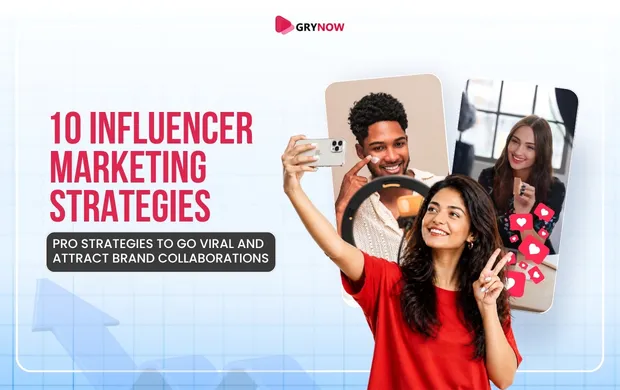
Influencer marketing has been a strategy in practice for more than a decade now, so it is safe to say that, in all these years, the strategies around it have changed time and again with new platforms, changing consumer behaviour, and emerging creator content.
Because of this, brands that do not adapt in time continue using outdated approaches, and by the time they notice the gap, it is already too late to catch up easily. Hence, brands need to adopt the right influencer marketing strategies at the right time, before outdated campaign methods begin to affect their results.
Accordingly, brands these days are also seeking expert guidance from the best influencer marketing company in India to strategize campaigns and understand which approach works best for their category, audience, and budget. With the right guidance, it becomes easier to choose aligned creators, structure collabs properly, and avoid common mistakes that lead to poor campaign performance.
In this blog, we will look at the top influencer marketing strategies for higher ROI every brand should follow before it’s too late, and also to stay ahead of its competitors.
Top 10 Influencer Marketing Strategies Every Brand Must Execute
1. Focus on Niche Creators to Reach the Right Audience Faster
One of the top influencer marketing growth strategies is working with niche creators who help brands connect with audiences that already have an active interest in a specific category, like beauty, tech, food, etc. These creators have a more defined follower base, which makes the campaign reach more relevant and hyper-targeted people. This targeted approach leads to better engagement, stronger trust, and higher chances of conversion.
2. Use Influencers for Product Launch Campaigns and New Releases
Using influencers during product launch helps brands introduce new offerings to the audience in a more relatable and engaging way as part of a market entry influencer collaboration strategy. Influencers can showcase product features, share first impressions, and create actual usage content. This kind of launch visibility builds early interest, increases product discovery, and helps brands generate faster traction in the market.
3. Repurpose Influencer Content Across Channels
Repurposing creator content across different platforms is one of the most important influencer marketing tactics that helps brands get more value from creator collabs. Content created for Instagram, YouTube, etc., can also be used in paid ads, brand social media pages, website banners, and marketplace listings. This multi-channel usage increases campaign visibility and allows brands to reach audiences across multiple touchpoints.
4. Encourage User-Generated Content Along with Influencer Posts
Encouraging user-generated content along with influencer posts is a smart influencer marketing strategy for brands that helps them build stronger social proof during campaigns. When audiences share their own reviews, photos, and experiences along with creator content, it increases trust, improves engagement, and makes the campaign feel more genuine.
5. Prioritize Long-Term Partnerships
Working with the same creators across multiple campaigns helps brands build familiarity with the audience and makes the promotion feel more natural over time. Long-term influencer collaborations improve trust, create stronger brand recall, and lead to better engagement compared to one-time partnerships.
6. Develop Clear Audience Personas
Outlining clear audience personas before planning influencer collabs helps brands choose creators whose followers match the campaign’s target group. When the audience profile is well defined, it becomes easier to plan content, select the right platforms, and get more relevant engagement from the campaign.
7. Give Creators Enough Creative Freedom
Hands down, this is one of the best influencer marketing tips for brands. Allowing creators enough creative freedom helps the content feel more natural and aligned with the style their audience already connects with. When influencers can present the brand in their own way, the promotion looks natural, builds better trust, and gets stronger engagement during the campaign.
8. Leverage AI Tools for Smarter Influencer Campaign Planning
It’s high time brands start benefitting from AI tools to plan influencer campaigns more efficiently. AI tools can assist with creator discovery, audience analysis, content ideas, and performance prediction before the campaign even starts. Marketers can use AI to shortlist suitable influencers, study follower demographics, track engagement patterns, and optimize campaign decisions based on real data.
9. Assess Influencers Thoroughly Before Collaboration
Brands must check influencers properly before finalizing a collaboration. This helps brands avoid mismatched partnerships and campaign risks. Brands should review the creator’s audience demographics, engagement quality, past brand collabs, bot analysis, and content style to make sure the influencer actually fits the campaign requirements and target group.
10. Seek Guidance from an Expert Influencer Marketing Agency
Last but not least, working with an expert influencer marketing agency is always a good idea. Brands can capitalize on their years of experience and market knowledge to help make campaign planning more structured and performance-driven. Agencies help brands with creator discovery, audience analysis, pricing negotiation, campaign execution, and performance tracking, and most importantly, to build an influencer marketing strategy for startups from the ground up.
After understanding the strategies brands should most definitely follow, the next step is knowing how to plan and execute influencer campaigns the right way to achieve desirable results.
How to Build a Successful Influencer Marketing Strategy
Clarify Your Campaign Goals
To strategize an influencer campaign from scratch, the first step brands need to take is clearly defining the objective they want to achieve, be it brand awareness, product promotion, store footfall, audience growth, conversion, and more. Here, based on your goals, you will also need to set KPIs, based on which you will be measuring your campaign success later.
Understand Your Target Audience Demographics
Now, this is an important one. Brands must have a clear understanding of their target audience demographics, including age group, location, interests, spending behavior, and platform preferences. Knowing exactly who the campaign is meant for helps a lot ahead in the planning stage.
Set a Realistic Budget for the Campaign
The next step is deciding on a clear campaign budget based on the number of creators involved, platform choice, content format, and campaign duration. Having a defined budget makes it easier to plan collaborations, negotiate pricing, and avoid overspending during the execution stage.
Conceptualize the Campaign
Once the budget and audience are clear, the next step is to conceptualize influencer marketing campaign strategies by deciding the content angle, campaign theme, creator roles, and overall messaging. A well-planned concept keeps the campaign consistent and makes the collaboration smoother.
Scout Suitable Creators
Now that the campaign strategy is set, the next step is to vet suitable creators whose audience, content style, and platform presence align with the campaign requirements. It is imperative that brands choose the right influencers so that the campaign reaches the intended target group.
Track Performance Using Pre-Defined Metrics
Now, after the campaign goes live, brands need to track performance using metrics set beforehand to understand how the influencer collaboration is performing across platforms. Audience response helps brands evaluate campaign effectiveness and make informed decisions during the ongoing execution.
Optimize Future Campaigns Based on Results
Once the campaign is completed, brands should review the overall performance data to understand what worked well and what needs improvement. These insights help in the betterment of influencer selection, content approach, and campaign planning, making future influencer marketing campaigns more effective.
Bottom Line
Influencer marketing strategies cannot stay the same when platforms, creator content, audience behaviour, and AI-driven tools are constantly changing how campaigns are planned and executed. Brands that keep updating their approach with new technologies, better targeting, and smarter collaborations are the ones that will stay competitive and consistent with their campaign performance.